Tag Archive | herbalism

Remember to Take Your Bitters! Grandma’s Longevity Plan

Life can be bittersweet, with tears of joy and tears of pain. But when it comes to the bitter flavor, that is one taste we have not learned to appreciate. Foods and herbs that are bitter are also highly nutritive and have profound healing properties. No wonder our grandparents and great-grandparents used herbal bitters as part of their longevity plan.

So, I take my bitters first thing in the morning, just like Grandma used to do. My mouth begins to water, and the digestive juices start to flow. They are best taken as a tonic, consistently over time. And as one of my mentors would say, “Bitters make everything in the body that likes to squirt – to squirt!” Think of squeezing a squishy, rubbery ball. Bitter works by astringing (squeezing) and toning our glands and organs, like salivary glands that squirt saliva and the gallbladder that squirts bile. It’s a fun way to visualize how the bitter flavor tones these body parts.

Bitter is a substance with an astringent taste, stimulating the flow of saliva (sialagogue), gastric juices, the digestive process, and the appetite. For this reason, it must be tasted on the tongue to stimulate a cascade of reactions that begin in the mouth with salivation and get the juices flowing. Bitter receptors on the tongue send a message to the brain to stimulate a physiological response. Some bitters include bitter alteratives, tonic-astringents, mild bitters, aromatic bitters, bitter demulcents, bitter anodynes, and bitter laxative tonics. Different kinds of bitter receptors are widely distributed in human tissue, including the digestive tract, pancreas, respiratory tract, placenta, white blood cells, heart, brain, thyroid, skin, and testes. We don’t yet know the role of all these bitter receptors, but we see the effect of digestive and dietary bitters, which have been widely studied.

Bitters promote the secretion of digestion hormones and the production of stomach acid that prepares the gut to receive a meal. They increase appetite, peristalsis, and digestive secretions in the stomach and intestines. Bitter herbs and foods have formed the bedrock of herbalism since ancient times. Every natural healing system recognizes them as an essential category of herbs, “food as medicine.” Bitter is the most common flavor found among medicinal herbs. And while bitterness is unpleasant, it can also warn of potentially toxic constituents. These are strong medicines and why they have become commonly used in herbal medicine.

The ancient, wise, and time-tested Chinese Five Element Theory system has much to say about the profound impact of bitter foods and herbs on health. Bitter is seen as having nutritive value, and if we lack this “nutrient,” then dis-harmony and disease become predictable. Modern science bears out that bitter herbs can work metabolic wonders in stimulating healthy digestion, aiding liver detoxification, improving kidney function, participating in blood sugar regulation, stimulating immunity, improving nutrient assimilation, and assisting as a natural laxative.

Bitter is the most deficient flavor in the modern diet. That, in part, contributes to the epidemic rise in inflammatory conditions and chronic illness. The bitter flavor cools inflammation and an overheated liver, the organ responsible for detoxifying some of the most harmful substances that enter the body through air, water, food, or skin. Certain bitter herbs can even help the liver regenerate itself. No pharmaceutical can do that. All pharmaceuticals overheat the liver. Milk thistle is an example of an herb that supports and protects the liver (hepatoprotectant).

In the wisdom of the Chinese Five Elements, the bitter flavor corresponds to the Fire Element and the summer season. The bitter flavor is essential in summer as a yin tonic because it clears excess heat caused by yin (Water Element) deficiency.

More people today have excess heat symptoms due to a deficiency of cooling yin fluids (blood, lymph, hormones, all secretions, intracellular fluids, etc.). The bitter flavor helps to restore the deep yin of the Water Element (Kidneys & Adrenals).

The heart and small intestine are the organ system that corresponds with the Fire Element. Most heart problems involve deficiency. The heart in Chinese Medicine refers to Western medicine’s nervous and circulatory system. It is impacted by the constituents (alkaloids and glycosides) commonly found in bitter herbs, which include their antimicrobial and anti-inflammatory actions. In the case of a fever (excess Fire), bitter roots like goldenseal are considered antipyretic and anti-inflammatory, helping to clear the heat of infection and reduce fever. The bitter flavor can neutralize heat symptoms that arise in any season.

Bitter is useful in dishes and diets to control excess Fire or tonify Water. Celery is a mildly bitter food for clearing heat, cleaning arteries of cholesterol and fats, and helping lower blood pressure. This is one of the reasons we have seen the recent rise of its popularity for juicing. Chamomile is also a mild bitter and a tonic when taken daily as a tea. But beware! It will become unpalatably bitter if you leave it steep for too long. The strongest bitters are in the herbal realm, including burdock root, dandelion root, yellow dock, motherwort, and many more. Yellow dock is incredibly supportive of stubborn anemia and helps increase hemoglobin levels in the blood.

Summer heat creates heat in the heavens and fire on Earth; they create the heart and the pulse within the body, red color, the ability to express laughter, bitter flavor and emotions of happiness and joy. —Inner Classic

In Chinese Medicine, Fire and Water are two ends of the same spectrum and have a symbiotic relationship. Water’s coolness keeps the heart’s fire in check, while fire’s heat keeps the Water Element from freezing or becoming stagnant. The bitter flavor is the most underused and needed due to the widespread excesses of the Wood Element (liver & gallbladder) and overconsumption that leads to an overheated liver. Fire fed by excess Wood burns hot and out of control, depleting of the deep, watery feminine yin, which is at the root of most imbalances, including hormonal imbalances.

Yin deficiency symptoms typify the modern person who is uneasy and anxious with abundant energy that is mostly appearance and, in reality, lacks the deep, watery yin reserves. This deficiency is evident not only in people and the institutions they create but in the Earth itself as high-quality food and water sources dwindle. Actions that build a substantial yin foundation for an individual are the same ones that restore the planet.

Yin deficiency and adrenal burnout, caused by an overheated liver and the excesses of our overachieving Western society, are epidemic. The imbalances are far-reaching and evidenced by global warming, fires, flooding, mass extinctions, and environmental systems collapse. Restoring the deep feminine yin contains the potential for planetary restoration.

Our ancestors, particularly our great-grandmothers, understood the significance of herbal bitters as a pre-meal tonic. When taken before a meal, these bitters stimulate metabolism, aid in digestion, and contribute to overall health. Unfortunately, the most vital and bitter parts of whole foods are often refined away. These crucial components, rich in cooling minerals like magnesium and selenium, offer protective and rejuvenating benefits. It’s no surprise that the lack of these vital elements contributes to the widespread lack of vitality in people today.

Bitter herbs can work wonders for restoring bodily systems. They stimulate healthy digestion and immune function, increase bile production, improve nutrient assimilation, aid in liver detoxification and regeneration, improve kidney function, assist in blood sugar regulation, provide a natural laxative, and reduce inflammations. SO REMEMBER TO TAKE YOUR BITTERS!
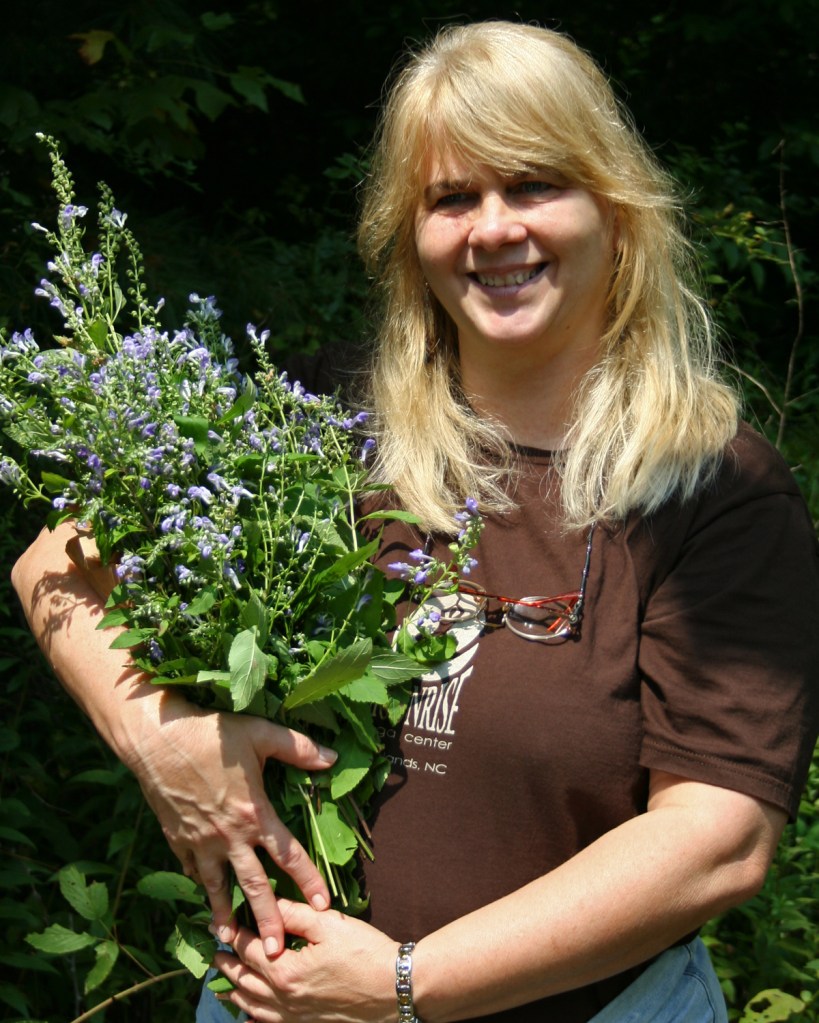
Most common bitter foods are actually combinations of bitter and other flavors, and are listed below.

Bitter Foods: Amaranth, arugula, asparagus, bitter melon, carrot top, celery dandelion greens, endive, escarole, orange peel, rhubarb, romaine lettuce, oat, quinoa, rye, and watercress.

Bitter Herbs: Alfalfa, angelica, aloe, black walnut, boneset, burdock root, cascara sagrada, California poppy, chamomile, chaparral Chaparro armagosa, chickory root, dandelion root, echinacea root, elecampane, goldenseal root, hops flowers, horsetail, milk thistle seeds, motherwort, mugwort, Oregon grape root, pau d’ arco, red root, rhubarb root, turmeric, valerian, vervain, willow, wormwood, yarrow and yellowdock.

Bitter and Sweet: Amaranth, artichoke leaf, asparagus, celery, chicory root, elderflower, lettuce, papaya, quinoa, turmeric, and turnip.

Bitter and Sour: Blackberry leaf, orange peel, and vinegar.

Bitter and Pungent: Angelica, citrus peels, radish leaf, scallion, turnip, and white pepper.

Bitter Roots: Burdock, dandelion, gentian, goldenseal, echinacea, Oregon grape root, red root, yellow dock, and yellow root.

Bitter Chinese Herbs: Andographis, coptis, gardenia, gentian, phellodendron, pulsatilla and skullcap.

Bitter Grains (The bitter aspect of grains is in their germ and bran): Farro, quinoa, rice, spelt, and wheat.

Note: Severely deficient people can’t tolerate intensely bitter food or herbs for any length of time.

Learn more in Thea’s online classes at Wise Woman School:

Love Your Liver: Spring & the Wood Element

Heal Your Heart: Nervous System Health & the Fire Element

Read Thea Summer Deer on Substack for Elder Wisdom & Good Medicine

Yerba Mansa: Body Ecology Restoration

Is your body ecology making you sick? Then allow me to introduce Yerba Mansa, a paleoherb and mythical healer that can restore your body ecology in any season, and whose ancient lineage of wisdom goes back innumerable generations.

Anemopsis-californica-2

Anemopsis californica

It is a beautiful day on the Rio Grande, as one might expect in sunny New Mexico with its low humidity and over 300 days of annual sunshine. They don’t call it the Land of Enchantment for nothing and it’s a place where I can breathe… A place where sage, piñon, chaparral and cedar scented air calls me back year after year, as does its medicinal herbs. One of these herbs is Yerba Mansa, a mythical plant of extraordinary beauty growing along the Rio and as enchanted as the landscape itself.

Yerba Mansa whose botanical name is Anemopsis californica, is a perennial herb in the Lizard’s tail family of plants, Saururaceae, named for its tell-tale flower cluster. It is a medicinal herb used traditionally in New Mexico, the knowledge of which has been passed down from generation to generation. I was initially introduced to this plant while living in the Southwest by the late and renowned herbalist, Michael Moore, Founder of the Southwest School of Botanical Medicine. Yerba Mansa continues to be a very important ally in my practice of herbal medicine.

A riparian wetland plant, Yerba Mansa can be found growing in the rapidly dwindling riparian habitats of northern Mexico and the American Southwest. Riparian ecosystem environments are some of the most altered and threatened habitats around the world due to human civilizations settling and building along the rivers.

Yerba Mansa is a paleoherb, a small group of flowering plants having evolved over a very long period of time and one of the first flowering herbs that existed on earth. With iconic large white flowers that bloom in the spring, Yerba Mansa is much sought after for fresh and dried arrangements and emits a spicy fragrance due to its volatile oils. The plant is also used for deer resistant landscaping around bogs and ponds and for ground cover in lawns and gardens. As such it provides an above average per acre gross income for small-scale farmers, but is on the United Plant Savers “watch-list,” as its native habitat continues to decline.

To best understand how this plant works as a medicine we have only to look at the role that it plays in its own living system and where it occurs naturally. In the wild Yerba Mansa’s roots enhance the wet boggy earth by absorbing and distributing water through nearly impenetrable clay like soil. The volatile roots add an anti-microbial and purifying element to the damp, boggy and slow-moving ecosystem of the Rio Grande Bosque, changing the soil chemistry and creating a more favorable environment for the growth of other plants which further anchor and aerate the soil.

The part of the plant most commonly used for medicine is the root and by observing it in the wild we are informed of its similar functions in our own bodily ecosystem. When our body becomes boggy, stagnant, wet and slow moving, a condition in Chinese Medicine described as “dampness,” Yerba Mansa penetrates through that to encourage the flow of stagnant fluids, revitalizing the entire system and using its chemical constituents to change microbial balances in our favor. The concept of dampness is related to a deficiency of the spleen’s function of transporting and transforming bodily fluids and corresponds with the Earth Element.

Earth forms the banks of the river through which the river’s flow is directed, but boggy river banks will eventually wash away creating stagnant pools. Just like in nature, these stagnant pools of fluid in our bodies become fertile breeding ground for microbes. Yerba Mansa dries dampness and safeguards against microbial imbalances and infections. It helps move toxins out and rids the body of excess uric acid, which causes painful inflammation of the joints. It also tones and tightens mucous membranes and is especially useful during cold and flu season.

Yerba Mansa gets its reputation as a mythical herb because of its legendary ability to support a wide array of conditions including: chronic inflammatory conditions so prevalent today; digestive disorders including digestive, intestinal and urinary tract inflammation; mucous-producing colds and flu, sore throats, sinus infections, and fungal infections like athlete’s foot and jock itch that thrive in warm, damp and dark areas.

yerbamansa

In a study on cultivating Anemopsis, conducted by Charles Martin, assistant professor at NMSU College of Agriculture’s Sustainable Agriculture Science, he is quoted as saying:

“This plant has thrived in environments that cause stress on its system and under stress the plant produces secondary compounds that give it its medicinal qualities. The plant produces these compounds as a protective mechanism, just as the human must be introduced to situations where the immune system will produce antibodies in response to mild infections which in turn strengthen the immune system.”

When we support our immune system, and allow the body to do what it is designed to do rather than weakening it through symptom suppression and antibiotics, we create a healthier and more balanced body ecology. Working more closely with nature by observing its patterns of harmony and disharmony we may discover herbs like Yerba Mansa which, in addition to its strong antibacterial and antifungal properties, supports our body’s ecosystem making us less reliant on drugs.

Native Americans and Hispanics who have used this herb for centuries throughout the Southwest also affectionately call it Yerba del Manso, yerba being the Spanish word for “herb,” and mansa meaning “meek.” There is also some speculation that manso is short for remanso, meaning backwater, the area where the plant thrives.

If it is true that the meek shall inherit the earth, then perhaps, if we humble ourselves to the wisdom of nature, honor the ancestors who shared their knowledge with us, and protect the fragile habitats that give us our medicine like the elders who came before us carrying this herb, then we shall indeed be worthy of inheriting the earth so that we may also pass it down. The next seven generations are depending on it. May it continue…

Parts used: Root

Actions: Astringent, antiseptic, antifungal, antimicrobial, antibacterial, anti-inflammatory, anti-rheumatic, tonic

Energetics/Flavor: Acrid, bitter, warm, aromatic, drying

Indications: Chronic inflammatory conditions, digestive disorders, skin issues, urinary infections, mucus-producing colds and sore throats, sinus infections, hemorrhoids, oral healthcare, fungal infections, diarrhea, colitis.

Contraindications: No known contraindications

Preparation: May be used as an infusion, tincture, steam distilled oil, or dried root powder. Extracts best in alcohol and water.

Dosage: Use as directed on label or by your health care practitioner. Tincture can be applied directly to skin for fungal infections. Dental Care: 20 drops of tincture in 2 oz. water and use as a rinse and/or mouthwash for thrush, or yeast infections of the mouth and mouth sores. Nasal Spray, rinse or gargle: 20 drops of tincture in 2 oz. water for sinus infection, nasal congestion and sore throat.

Note: Yerba Mansa’s antimicrobial workings are supported by research that confirms its activity against Staphylococcus aureus, Streptococcus pneumoniae, and Geotrichim candidum as well as five species of mycobacterium known to cause skin, pulmonary, and lymphatic infections. Recent research also suggests that extracts of Yerba Mansa inhibit the growth and migration of certain types of cancer including two breast cancer cell lines, HCT-8, and colon cancer cells. See references below.

Available as a tincture from Herb Pharm and Artemisia Herbs. I always purchase a fresh supply of Artemisia Herbs’ Yerba Mansa at Cid’s Market in Taos on my regular pilgrimages and herb gathering expeditions back to New Mexico.

Founded in 1992, Artemisia Herbs is deeply informed by the intelligence of the plants themselves and prides themselves in the history of a bioregional, sustainable herbal company that inspires, supports and benefits all those who it reaches. Artemisia carefully blends by hand in small batches, working together to craft products which maintain an energetic integrity from farm to medicine. Herbs are sourced primarily from a family owned farm in Dixon, NM, and backyard growers and wildcrafters who care intimately for the plants they grow and harvest. You can meet them at the Downtown Grower’s Market on Saturdays throughout the Fall in Albuquerque and at the Santa Fe Farmer’s Market year-round. https://artemisiaherbsnm.com/

Learn more about the Earth Element through Thea’s class at Wise Woman University on line at: Indian Summer: Nourishing the Earth Element

Recommended Reading:

Western Herbs according to Traditional Chinese Medicine: A Practitioner’s Guide by Thomas Avery Garran

The Body Ecology Diet: Recovering Your Health and Rebuilding Your Immunity, by Donna Gates and Linda Schatz

References:

Native Southwest medicine herb could become a New Mexico cash crop: http://newscenter.nmsu.edu/Articles/view/3965

Albuquerque Herbalism: Ecological Herbalism, https://albuquerqueherbalism.com/tag/anemopsis/

Yerba Mansa: An Important Medicine Plant, https://www.voyagebotanica.net/blogs/yerba-mansa-anemopsis-californica/64470019-yerba-mansa-an-important-medicine-plant

Chemotypic Variation of Essential Oils in Medicinal Plant, Anemopsis californica, https://www.ncbi.nlm.nih.gov/pmc/articles/PMC2330197/

Andrea L. Medina, Mary E. Lucero, Omar F. Holguin, Rick E. Estell, Jeff J. Posakony, Julian Simon, Mary A. O’Connell, Composition and antimicrobial activity of Anemopsis californica leaf oil, Journal of Agricultural and Food Chemistry 53 (2005): 8694-8698

Robert O. Bussey, Arlene A. Sy-Cordero, Mario Figueroa, Frederick S. Carter, Joseph O. Falkinham, Nicholas H. Oberlies, Nadja Cech, Antimycobacterial Furofuran Lignans from the Roots of Anemopsis californica, Planta Medica 80 (2014): 498-501

Amber L. Daniels, Severine Van Slambrouck, Robin K. Lee, Tammy S. Arguello, James Browning, Michael J. Pullin, Alexander Kornienko, Wim F. A. Steelant, Effects of extracts from two Native American plants on proliferation of human breast and colon cancer cell lines in vitro, Oncology Reports 15 (2006): 1327-1331.

Resources:

Yerba Mansa Project: http://yerbamansaproject.org/project-overview/

Interview with Dara Saville: https://basmati.com/2017/10/05/chat-healer-dara-albuquerque-herbalism