Archives

Remember to Take Your Bitters! Grandma’s Longevity Plan

Life can be bittersweet, with tears of joy and tears of pain. But when it comes to the bitter flavor, that is one taste we have not learned to appreciate. Foods and herbs that are bitter are also highly nutritive and have profound healing properties. No wonder our grandparents and great-grandparents used herbal bitters as part of their longevity plan.

So, I take my bitters first thing in the morning, just like Grandma used to do. My mouth begins to water, and the digestive juices start to flow. They are best taken as a tonic, consistently over time. And as one of my mentors would say, “Bitters make everything in the body that likes to squirt – to squirt!” Think of squeezing a squishy, rubbery ball. Bitter works by astringing (squeezing) and toning our glands and organs, like salivary glands that squirt saliva and the gallbladder that squirts bile. It’s a fun way to visualize how the bitter flavor tones these body parts.

Bitter is a substance with an astringent taste, stimulating the flow of saliva (sialagogue), gastric juices, the digestive process, and the appetite. For this reason, it must be tasted on the tongue to stimulate a cascade of reactions that begin in the mouth with salivation and get the juices flowing. Bitter receptors on the tongue send a message to the brain to stimulate a physiological response. Some bitters include bitter alteratives, tonic-astringents, mild bitters, aromatic bitters, bitter demulcents, bitter anodynes, and bitter laxative tonics. Different kinds of bitter receptors are widely distributed in human tissue, including the digestive tract, pancreas, respiratory tract, placenta, white blood cells, heart, brain, thyroid, skin, and testes. We don’t yet know the role of all these bitter receptors, but we see the effect of digestive and dietary bitters, which have been widely studied.

Bitters promote the secretion of digestion hormones and the production of stomach acid that prepares the gut to receive a meal. They increase appetite, peristalsis, and digestive secretions in the stomach and intestines. Bitter herbs and foods have formed the bedrock of herbalism since ancient times. Every natural healing system recognizes them as an essential category of herbs, “food as medicine.” Bitter is the most common flavor found among medicinal herbs. And while bitterness is unpleasant, it can also warn of potentially toxic constituents. These are strong medicines and why they have become commonly used in herbal medicine.

The ancient, wise, and time-tested Chinese Five Element Theory system has much to say about the profound impact of bitter foods and herbs on health. Bitter is seen as having nutritive value, and if we lack this “nutrient,” then dis-harmony and disease become predictable. Modern science bears out that bitter herbs can work metabolic wonders in stimulating healthy digestion, aiding liver detoxification, improving kidney function, participating in blood sugar regulation, stimulating immunity, improving nutrient assimilation, and assisting as a natural laxative.

Bitter is the most deficient flavor in the modern diet. That, in part, contributes to the epidemic rise in inflammatory conditions and chronic illness. The bitter flavor cools inflammation and an overheated liver, the organ responsible for detoxifying some of the most harmful substances that enter the body through air, water, food, or skin. Certain bitter herbs can even help the liver regenerate itself. No pharmaceutical can do that. All pharmaceuticals overheat the liver. Milk thistle is an example of an herb that supports and protects the liver (hepatoprotectant).

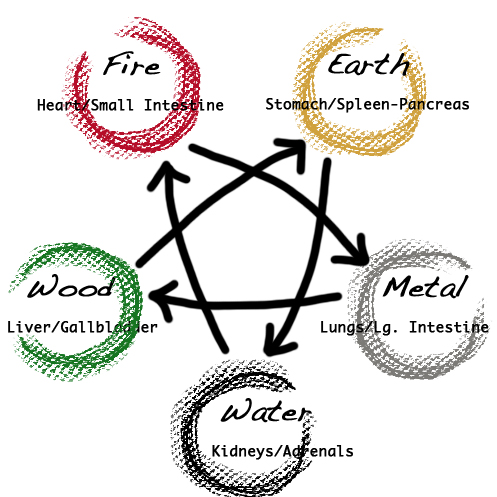
In the wisdom of the Chinese Five Elements, the bitter flavor corresponds to the Fire Element and the summer season. The bitter flavor is essential in summer as a yin tonic because it clears excess heat caused by yin (Water Element) deficiency.

More people today have excess heat symptoms due to a deficiency of cooling yin fluids (blood, lymph, hormones, all secretions, intracellular fluids, etc.). The bitter flavor helps to restore the deep yin of the Water Element (Kidneys & Adrenals).

The heart and small intestine are the organ system that corresponds with the Fire Element. Most heart problems involve deficiency. The heart in Chinese Medicine refers to Western medicine’s nervous and circulatory system. It is impacted by the constituents (alkaloids and glycosides) commonly found in bitter herbs, which include their antimicrobial and anti-inflammatory actions. In the case of a fever (excess Fire), bitter roots like goldenseal are considered antipyretic and anti-inflammatory, helping to clear the heat of infection and reduce fever. The bitter flavor can neutralize heat symptoms that arise in any season.

Bitter is useful in dishes and diets to control excess Fire or tonify Water. Celery is a mildly bitter food for clearing heat, cleaning arteries of cholesterol and fats, and helping lower blood pressure. This is one of the reasons we have seen the recent rise of its popularity for juicing. Chamomile is also a mild bitter and a tonic when taken daily as a tea. But beware! It will become unpalatably bitter if you leave it steep for too long. The strongest bitters are in the herbal realm, including burdock root, dandelion root, yellow dock, motherwort, and many more. Yellow dock is incredibly supportive of stubborn anemia and helps increase hemoglobin levels in the blood.

Summer heat creates heat in the heavens and fire on Earth; they create the heart and the pulse within the body, red color, the ability to express laughter, bitter flavor and emotions of happiness and joy. —Inner Classic

In Chinese Medicine, Fire and Water are two ends of the same spectrum and have a symbiotic relationship. Water’s coolness keeps the heart’s fire in check, while fire’s heat keeps the Water Element from freezing or becoming stagnant. The bitter flavor is the most underused and needed due to the widespread excesses of the Wood Element (liver & gallbladder) and overconsumption that leads to an overheated liver. Fire fed by excess Wood burns hot and out of control, depleting of the deep, watery feminine yin, which is at the root of most imbalances, including hormonal imbalances.

Yin deficiency symptoms typify the modern person who is uneasy and anxious with abundant energy that is mostly appearance and, in reality, lacks the deep, watery yin reserves. This deficiency is evident not only in people and the institutions they create but in the Earth itself as high-quality food and water sources dwindle. Actions that build a substantial yin foundation for an individual are the same ones that restore the planet.

Yin deficiency and adrenal burnout, caused by an overheated liver and the excesses of our overachieving Western society, are epidemic. The imbalances are far-reaching and evidenced by global warming, fires, flooding, mass extinctions, and environmental systems collapse. Restoring the deep feminine yin contains the potential for planetary restoration.

Our ancestors, particularly our great-grandmothers, understood the significance of herbal bitters as a pre-meal tonic. When taken before a meal, these bitters stimulate metabolism, aid in digestion, and contribute to overall health. Unfortunately, the most vital and bitter parts of whole foods are often refined away. These crucial components, rich in cooling minerals like magnesium and selenium, offer protective and rejuvenating benefits. It’s no surprise that the lack of these vital elements contributes to the widespread lack of vitality in people today.

Bitter herbs can work wonders for restoring bodily systems. They stimulate healthy digestion and immune function, increase bile production, improve nutrient assimilation, aid in liver detoxification and regeneration, improve kidney function, assist in blood sugar regulation, provide a natural laxative, and reduce inflammations. SO REMEMBER TO TAKE YOUR BITTERS!
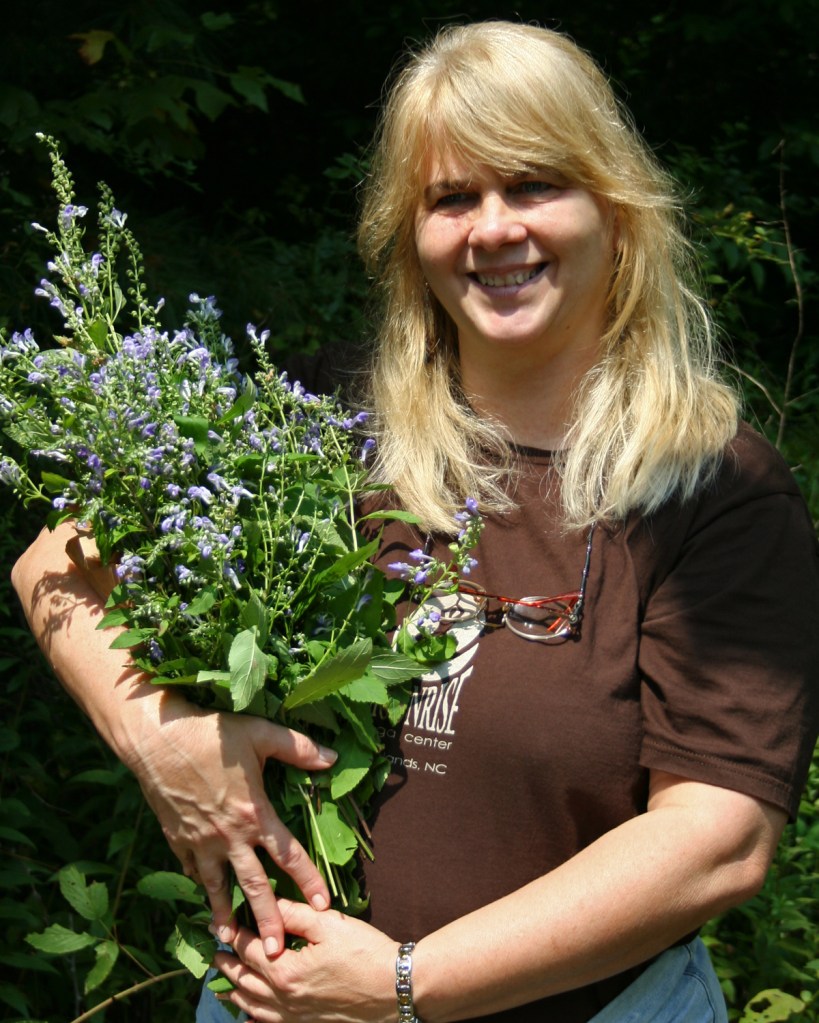
Most common bitter foods are actually combinations of bitter and other flavors, and are listed below.

Bitter Foods: Amaranth, arugula, asparagus, bitter melon, carrot top, celery dandelion greens, endive, escarole, orange peel, rhubarb, romaine lettuce, oat, quinoa, rye, and watercress.

Bitter Herbs: Alfalfa, angelica, aloe, black walnut, boneset, burdock root, cascara sagrada, California poppy, chamomile, chaparral Chaparro armagosa, chickory root, dandelion root, echinacea root, elecampane, goldenseal root, hops flowers, horsetail, milk thistle seeds, motherwort, mugwort, Oregon grape root, pau d’ arco, red root, rhubarb root, turmeric, valerian, vervain, willow, wormwood, yarrow and yellowdock.

Bitter and Sweet: Amaranth, artichoke leaf, asparagus, celery, chicory root, elderflower, lettuce, papaya, quinoa, turmeric, and turnip.

Bitter and Sour: Blackberry leaf, orange peel, and vinegar.

Bitter and Pungent: Angelica, citrus peels, radish leaf, scallion, turnip, and white pepper.

Bitter Roots: Burdock, dandelion, gentian, goldenseal, echinacea, Oregon grape root, red root, yellow dock, and yellow root.

Bitter Chinese Herbs: Andographis, coptis, gardenia, gentian, phellodendron, pulsatilla and skullcap.

Bitter Grains (The bitter aspect of grains is in their germ and bran): Farro, quinoa, rice, spelt, and wheat.

Note: Severely deficient people can’t tolerate intensely bitter food or herbs for any length of time.

Learn more in Thea’s online classes at Wise Woman School:

Love Your Liver: Spring & the Wood Element

Heal Your Heart: Nervous System Health & the Fire Element

Read Thea Summer Deer on Substack for Elder Wisdom & Good Medicine
The Healing Power of Herbal Salves

REGISTER NOW!
for Healing Power of Herbal Salves with Thea Summer Deer & Susun Weed
November 16th, 2023 @ 9PM Eastern ~ Replay Available

I moved during the unseasonably sweltering summer heat of 2023 from the verdant blue-green mountains of Western North Carolina, where I had lived for 25 years, back to the high desert. The first time I moved to the desert 34 years ago, it took about a year for my skin to adjust to the dryness that caused my hands to crack and bleed. Someone at the local feed store recommended Cornhuskers lotion, which gave relief, but this time, I came prepared with something better: the healing power of herbal salves.

The collection of salves that fill my medicine cabinet includes calendula for tissue damage and swellings, comfrey and goldenseal for wound healing, pine tar for drawing out splinters, chaparral for sun damage, lavender for calming insect bites, stings, and burns, plantain for skin healing, and wild yam and vitex for thinning skin. Some were made by me or by friends, and some I buy. Nature gives us Band-Aids, balms, antiseptics, and wound-healing action in the form of herbal salves. No medicine chest should be without them. They work because it is nature’s goal to make us whole. I want to share some of those salves with you, how I make them, the ones I buy, their herbal actions, and personal stories about their healing medicine.

I began making salves 45 years ago as a midwife, and it all started with comfrey when Susun Weed taught us how to prepare leaf infusions to be used in a sitz bath or as a compress to heal perineal tears, abrasions, and episiotomies. Long used to heal damaged skin, comfrey worked like a miracle. The plant is easy to grow and propagate, so I began growing it in my garden. With two toddlers at home banging their knees, skinning elbows, or otherwise collecting scratches, bumps, bug bites, and bruises as they explored their world, I decided to make a healing salve using the two main ingredients I used in my postpartum sitz baths – comfrey and goldenseal. The result was a salve that prevented infection, reduced scarring, and healed wounds quickly. I have been making it ever since (recipe below.)

One crucial herb I learned about years ago when I lived in the Sonoran desert is chaparral (Larrea tridentate). Medicine man Willie Whitefeather initially introduced me to the plant, a shrub native to southern areas of the U.S. and northern regions of Mexico. Chaparral is also known as creosote bush and greasewood. Whitefeather used the anti-tumor action of this herb to heal certain skin cancers in himself and others.

Recently, I developed a painful skin growth before leaving the Appalachian mountains of North Carolina for the Piños Altos mountains of New Mexico. As timing would have it, the move eclipsed my yearly dermatological exam. I couldn’t get another appointment for three months. Meanwhile, the growth darkened and continued to get worse. I couldn’t afford to wait. I needed to make a chaparral salve. Fortunately, there is an abundance of chaparral in the desert, and it is no accident that nature grows the remedy for sun damage and skin cancers in a state that boasts 310 days of sunshine annually. At the local co-op, I found a product line called Desert Woman Botanicals, and lo and behold, they had a chaparral salve as good as any I would make. The skin growth fell off within weeks, and the sore beneath disappeared. I have shared a list of companies below whose salves I recommend.

After returning to the desert, I began clearing the overgrowth in my yard and trimming the trees. While lopping a juniper branch, I sustained a nasty cut that drew blood. Because it was deep and the tree sap toxic, I used Piñon salve, known as trementina in the Southwest. I call it nature’s bandaid. Piñon salve draws out toxins and protects the skin. And it helps wounds heal due to its antiseptic and anti-inflammatory actions. If I had offended the juniper, perhaps the pine would redeem me. Piñon pine resin is considered sacred by the Native Americans who use it.

Calendula from Wisdom of the Plant Devas: Herbal Medicine for a New Earth
Calendula
from Wisdom of the Plant Devas: Herbal Medicine for a New Earth

Another healing herb I learned about when my babies were in diapers is calendula (Calendula officinalis). A popular go-to for eczema, calendula cremes and ointments were indispensable for diaper rash and sore nipples. Once, I tried using calendula flowers in a salve for a ganglion cyst on my wrist. Calendula is known to reduce inflammation and swellings and to heal cysts with its anti-inflammatory, lymphatic, and astringent action with an affinity for the skin. To my amazement and with consistent application, the cyst dissolved within a month. Calendula flowers lend themselves well to many herbal salve formulas and contain antifungal and antibacterial actions that help burns, bruises, and cuts heal faster and prevent the minor infections they cause.

Herbal salves are particularly useful for pets, and I have used them with mine and other people’s animals for decades. Pets tend to be more agreeable to application because the ingredients are natural and of food-grade quality. And if they lick, they are getting the medicine internally, and it won’t hurt them. Keep reapplying and trust your animal to heal.

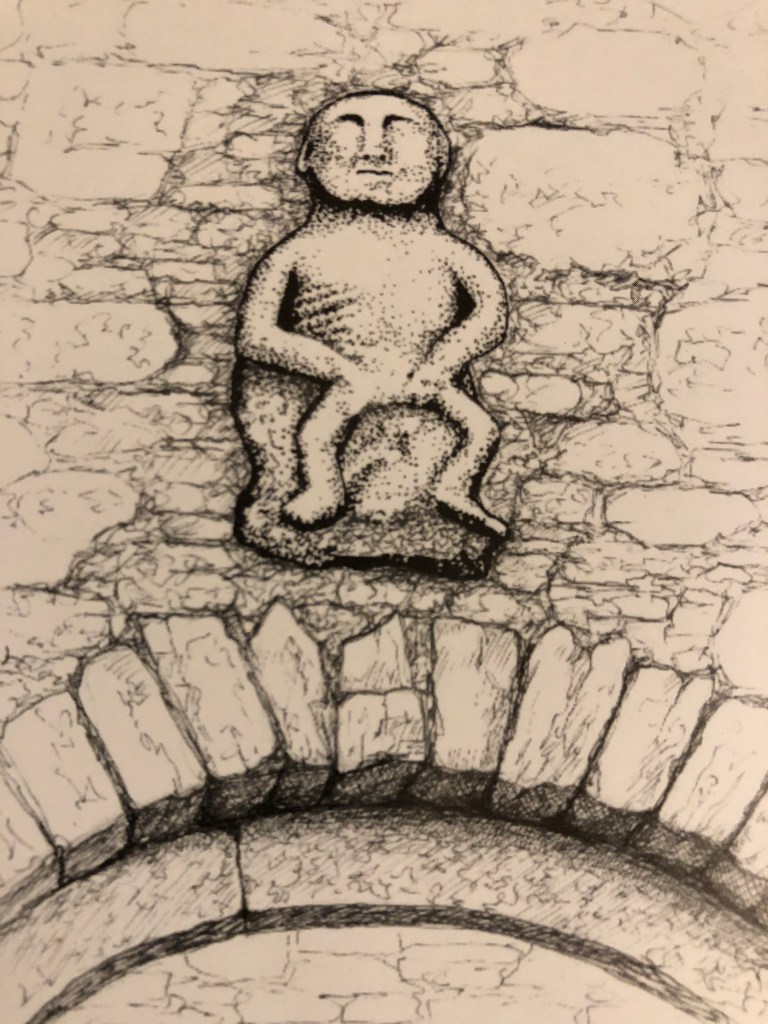
There are too many herbal salves to mention in one article, but I always keep a plantain salve on hand because of its versatility and wide range of herbal actions (see below). Plantain is plentiful, easy to gather, and can be used fresh or dried. And because we are mostly women here, there is one more salve that bears mentioning and which I have relied on for support “down there” since becoming post-menopausal. MoonMaid Botanicals makes a wild yam and vitex salve called Vital “V,” V meaning vulva. Sheela Na Gig knows the importance of a happy vulva!

Sheila Na Gig, Ireland, illustration by Jack Roberts

Making a Salve:

Salves are traditionally made in a 1:4 ratio of beeswax to oil and have more beeswax than a balm. The beeswax acts as a preservative and helps hold the herbal-infused oil on the skin for a more extended time, allowing its medicinal properties to penetrate more deeply. Adding beeswax makes it more effective than putting the oil directly onto your skin. Body heat activates the salve so it melts into the skin. An herbal salve is more concentrated and medicinal than a lotion because the water in a lotion requires an emulsifier. Salves do not contain water and are considered an anhydrous formulation.

A salve is made from an herbal oil, using fresh or dried herbs steeped in vegetable oil. The extraction of medicinal compounds requires gentle heat. Gums and resins are highly soluble in oil. Alkaloids, mucilage, and other constituents are partially soluble in oil. Using only the purest vegetable oil is critically important to avoid extracting agricultural chemicals. I recommend using certified organic olive, sesame, jojoba, almond, or coconut oil. Certain herbs are best when used dried. Drying breaks down the plant’s cell wall, making the constituents more readily available for extraction. Other herbs are best used fresh and must be bruised or chopped before adding to the oil. Making Plant Medicine by Richo Cech is a good resource for knowing which herbs extract well in oil, what plant parts to use, and whether the plants are best used fresh or dried.

Basic Salve recipe

1:3 – fresh herb weight to oil volume. For example: 100 grams fresh plant material/300 ml oil

1:5 – dry herb weight to oil volume. For example: 100 grams dried plant material/500 ml oil

100:17 – volume of herbal oil to golden beeswax in grams. Approximately 1 oz of wax per cup of oil.

Prepare the plant material (dried, cut, sifted, powdered, etc.), measure it, and place it in an uncovered crockpot, oven-safe enamel, or glass bowl. Cover with oil and mix thoroughly with a wooden spoon. Maintain the mixture at a low temperature over time. Generally, 170º (the lowest preset temperature on most ovens) for four hours, stirring every half hour. Leave the oven door slightly open if your range runs hot or the mixture is boiling.

If your oven runs hot or the mixture is boiling, leave the oven door slightly open.

Pour the infused oil through several cheesecloth layers or cotton muslin cloth into a bowl or pan to separate the spent herbs from the oil infusion, squeezing and pressing the herb to express as much oil as possible. Pour the oil into a clean, dry jar. Cover and let stand overnight so that particulate matter settles. Pour the clear oil off the top, leaving the sludge behind at the bottom of the jar. Use immediately or store in amber glass bottles in a cool, dark place. The expected shelf life is about a year.

Pour measured oil into a saucepan, add beeswax, and slowly melt the beeswax on low heat and stir with a wooden spoon. Be sure to have your dry, clean jars ready. Immediately remove from the heat once the wax melts, and carefully fill the jars using a pan or Pyrex beaker with a spout. Clean your pans and utensils while still warm by wiping them with a paper towel. Store in a dark, cool place. Salve has an expected shelf life of 3 years.

Note: Golden beeswax is a preservative and is superior to paraffin, derived from petroleum. You can buy it by the block, shave it yourself, or purchase golden beeswax beads.

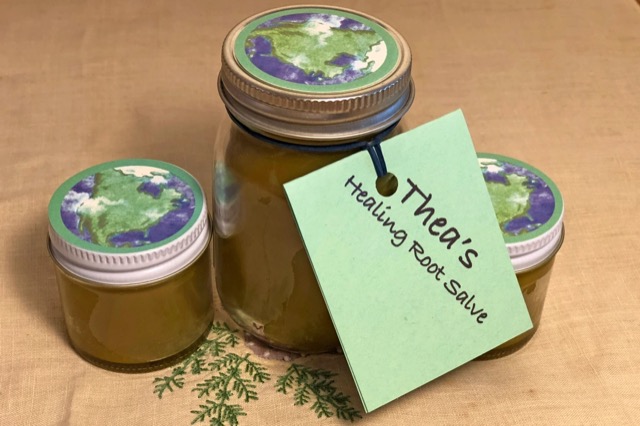
Thea’s Healing Root Salve

What makes this salve different than most comfrey-goldenseal salves you will find on the market is the quantity of goldenseal (Hydrastis canadensis) root powder in the recipe. Because goldenseal is very expensive, now over $200 a pound, most herbalists and manufacturers use goldenseal leaf instead and minimal root. The quantity of goldenseal root and its anti-microbial and anti-inflammatory action make it effective.

I also use comfrey leaf and root in my formula for their healing benefits. Comfrey root may contain 8-10% allantoin, easily absorbed through the skin and found to a lesser degree in the leaves. Allantoin promotes cell growth to speed wound healing. Comfrey leaf also aids in healing mucous membranes and protects the skin against irritants, making it an essential ingredient in salve. I have used this salve personally and with my clients for wounds, burns, bruises, cuts, sprains, chapped lips, dry vagina, cold sores, diaper rash, bug bites, nail fungus, and skin irritants.

Comfrey, from Wisdom of the Plant Devas

Ingredients (preferably organic):

3 ¼ cups cold-pressed olive oil

¾ cup unrefined sesame oil (high in vitamin E, acts as a skin healer and as a preservative)

2 oz. comfrey leaf

2 oz. comfrey root, cut and sifted

2 oz. goldenseal root powder

golden beeswax beads, approximately 3-4 oz.

1 tablespoon vitamin E oil, or wheatgerm oil (acts as a skin healer and preservative)

Bake in a warm oven (lowest setting possible, approximately 170º) in a glass or enamel pot for 4 hours, stirring with a wooden spoon every 30 minutes. Strain through a fine cheesecloth, pressing the remaining plant material to extract all the oil into a measuring cup. Measure and return oil to clean pot on stove top. Add beeswax (1 oz. per cup) and stir on low heat until melted. Ad wheatgerm or vitamin E oil, stir well and remove from heat. Immediately fill containers as it will harden quickly upon cooling. Stir once while in container with a wooden chopstick to redistribute ingredients and prevent settling.

Actions of herbs used in salve making:

  1. Calendula: anti-inflammatory, vulnerary, lymphatic
  2. Chaparral: antiseptic, anti-tumor, antioxidant
  3. Comfrey: demulcent, vulnerary
  4. Goldenseal: anti-microbial, astringent
  5. Lavender: antioxidant, anti-inflammatory, antimicrobial
  6. Pine sap: antiseptic, antimicrobial, antioxidant, astringent, antifungal
  7. Plantain: vulnerary, demulcent, anti-inflammatory, astringent, anti-microbial

Recommended Products:

The Super Salve Co. (Calendula)

Desert Woman (Chaparral)

Moon Maid Botanicals (Vital “V” )

Living Earth Botanicals/SOMA Naturals (Calendula oil)

Medicine of the People (Piñon Sap Salve)

Learn more:

The internal and external uses of comfrey

How to make a Piñon salve

Comfrey: How to Use Medicinally as Oil & Salve, by Corinna Wood

Wisdom of the Plant Devas: Herbal Medicine for a New Earth by Thea Summer Deer

Down There: Sexual and Reproductive Health by Susun Weed

Chinese Herbal Chicken Soup for Optimal Health

The benefits of bone broth are now well known, but you can kick it up a notch by adding these Chinese Herbs during the last hour of cooking. Consider it as extra insurance for your immune system. I have broken down the medicinal benefits of each herb in this soup which I have found healing for myself and my family. You can learn more about the energetics of food in Indian Summer: Nourishing the Earth Element and Wisdom of the Five Flavors course at Five Element Academy. If you don’t want to buy the herbs individually, I recommend Plum Dragon’s Chicken Soup Herb Pack. You will find the recipe on their website: Plum Dragon Herbs.

The Herbs:

Astragalus Root (Huang Qi) – Helps to prevent and treat corona viruses (common cold & flu) and upper respiratory infections. Its herbal actions include: immunomodulator, anti-inflammatory, antibacterial, antioxidant, cardioprotective, hepatoprotective, and adaptogenic. Astragalus is a nervous system tonic, immune tonic, and Spleen qi tonic (diabetes). Considered a foundational herb in TCM, Astragalus, in addition to being a deep immune system activator, also strengthens the lung qi and the surface immune system, which is the first line of defense against pernicious influences. It also appears to enhance nonspecific and specific immunity. Astragalus is a beneficial herb for anyone who might be immune-compromised. Learn more by reading my Wisdom of the Plant Devas Blog post, Astragalus for Myocarditis, Long Covid, & Immune Support

Codonopsis Root (Dang shen) –  A superb Qi tonic used to invigorate the Spleen and Lung and treat yin deficiency. It is an excellent Blood tonic and a major immune system tonic. Codonopsis has powerful strengthening effects, especially on the digestive, respiratory and immune systems and has been used since antiquity to build strong, healthy children.

Solomon’s Seal (Yu Zhu) – The key actions of Solomon’s Seal are demulcent, expectorant, sedative, and tonic. It has an affinity for the Lung and Stomach, can help with a dry cough and sore throat, and is most prized as a yin tonic. Yin tonics work by restoring the Water Element (Kidney), which cools the Liver (Wood Element). Tendons and ligaments are the body part that correspond with the Wood Element, and this is why Solomon’s Seal is used to help heal injured tendons, and restore proper tension to ligaments. It does this by its ability to nourish yin, moisten dryness, and to nourish and moisten sinews. Solomon’s Seal also quells wind, relieving pain and spasms due to wind generated fluid deficiency. Learn more by reading my Wisdom of the Plant Devas Blog post, Solomon’s Seal: Adapting to Stress & Achieving Flexibility in Times of Change

Angelica Sinensis (Dang Gui) – A superior blood tonic that supports healthy blood circulation, especially in the abdomen and pelvic basin. It also has analgesic and mild sedative (calming, relaxing) actions.

Chinese Yam (Shan Yao) – Energetically sweet it strengthens the Spleen and Stomach, and nourishes the Earth Element. Learn more in Indian Summer: Nourishing the Earth Element

Goji Berries (Gou Qi Zi) – Also known as Wolfberries, they are nutritious, improve immune function, and increases energy.

Dried Figs (Wu Hua Guo) – An energetically neutral food (yin & yang balanced) and known to moisten the lungs and relieve coughs. Energetically sweet they invigorate the Spleen.

Dried Red Dates (Hong Zao) – Balance qi and nourish the Blood. Improves insomnia and protects the Liver.

Resources:

Chinese Soup Pot: Delicious Soups For Optimal Health

Thea Summer Deer’s Blog: The Carnage of Waste

Note: I review products independently and only recommend ones that I have used personally. As a Plum Dragon affiliate I may earn a commission from qualifying purchases.

Ten Year Anniversary & New Blog Announcement!

CELEBRATING TEN YEARS!

San Miguel Writer’s Conference

Wisdom of the Plant Devas Blog is ten years old! Thank you for being a free subscriber. I started this blog in 2012, shortly after Inner Traditions International/Bear & Co. published my book Wisdom of the Plant Devas: Herbal Medicine for a New Earth. But the thirteen herbs in my book left readers wanting more, so I started this blog and will continue bringing you more herbal wisdom.

Wisdom of the Plant Devas Blog has helped thousands of readers and subscribers find healing and support. Many of you have found solutions through my free posts, even after spending thousands of dollars in the Western Mechanistic Model on doctors, invasive procedures, medical testing, and pharmaceuticals with little to no relief or results. Through an energetic approach, herbal medicine, diet, and lifestyle, you have reaped the benefits and savings in dollars and better health. I commend your search for alternatives, commitment to healing, and follow through.

ANNOUNCING A NEW BLOG!

Thea Summer Deer’s Blog ~ Herbal Medicine for a New Earth: Visioning a new paradigm of integrative and alternative health care.

I now would like to extend the opportunity to continue receiving enlightening posts while supporting my work by subscribing to my new blog. Thea Summer Deer’s Blog is where I share what I care about most without the fear of being censored. After three years of unprecedented censorship, I am joining the Substack community of writers and asking for your support by becoming a free or paid subscriber. Check out my first post When Science Marries Wisdom. You can do a 7-day free trial to unlock FUCK THE PINK RIBBON!, an essay by my friend Laura about her unconventional journey with cancer.

Thea Summer Deer’s Blog will share uncensored healing stories and information from decades of personal and clinical experience, observation, and research. I hope you will join me in visioning a healthier future for the next seven generations.

Thank you again for being a subscriber, and I hope you will join me on Substack by subscribing to the new Thea Summer Deer’s Blog.

Herbal First Aid for Your Travel Kit

“On the road again…” For decades, I traveled extensively for work and pleasure as an alternative health care educator, a musician on the road, and travel business owner. In addition to basic first aid supplies like band-aids and alcohol, and supplements like vitamin C and D, herbs have been my mainstay. The following herbs are what I carry as allies when traveling near or far.

Note: Take as directed. For therapeutic dosages, consult your Alternative Health Care Provider.

First Aid List: 15 Herbs for your Travel Kit

  1. Arnica gel and 30x pellets: Arnica gel applied externally will stop bruising and relieve muscle aches, pain, stiffness, and swelling from injuries. The pellets work internally. Using both speeds healing. Arnica montana, also known as mountain tobacco, is a moderately toxic plant in the daisy family (Asteraceae). It is a mountain plant with a large, perennial, yellow, daisy-like flower that blooms in the summer. In its prepared form, it is non-toxic, easy to carry and use, has no interactions or contraindications, is non-drowsy, and will not mask more serious conditions. Recommended brand: Boiron
  2. Charcoal activated powder in capsules: Emergency go-to for food poisoning. It is a processed form of common charcoal that prevents certain toxins from being absorbed by the body. It also treats gas and indigestion. Recommended brand: Nature’s Way
  3. Chlorophyll Concentrate: Supports acclimation to high altitude, increases oxygen in the blood, clears toxins, boosts energy, and relieves jet lag and fatigue. Sourced from stinging nettles. Recommended brand: ChlorOxygen Original
  4. Goldenseal root tincture & salve: Tincture boosts the immune system and fights cold, flu, and infection. Hydrastis canadensis is anti-inflammatory and anti-bacterial. Recommended brand: Herb Pharm. Goldenseal & Comfrey salve for wounds prevents infection and heals quickly. You can make your own! Find the recipe and learn more at The Herbal Medicine Chest: A Must Have Healing Salve Formula
  5. Ginseng (Panax Korean Red extract): Anti-inflammatory and adaptogenic. Relieves stress, stimulates adrenals and metabolism, improves stamina, boosts the immune system, reduces weariness, eases physical symptoms, and prevents jet lag. Recommended brand: Prince of Peace
  6. Lavender essential oil: Antioxidant, anti-inflammatory, and antimicrobial. Relieves headaches when placed on the temples, calms insect bites and stings, and promotes wound healing, especially burns. May be used in its “neat” undiluted form. I travel with a diffuser that plugs into an outlet. Diffusing lavender eases anxiety, is calming, creates a sense of safety, and insures better rest.
  7. Lobelia tincture: Lobelia inflata, also known as Indian tobacco. Anti-spasmodic. Useful while traveling for unexpected exposures to allergens like animal dander and molds. Relieves symptoms of asthma attacks, such as wheezing, coughing, and chest tightness. Relaxes airways, stimulates breathing, and clears mucus from lungs. Especially useful for pneumonia and bronchitis. Can be medicinally smoked. Larger doses may induce vomiting.
  8. Olbas oil, inhaler, pastilles: Swiss remedy wards off respiratory infection and relieves congestion. Oil in a hot bath relieves muscle aches, pains, and stress. Inhaler helps one to stay alert while driving. Pastilles soothe sore throat and cough. The name is a contraction of oil from basil. Recommended brand: Olbas Therapeutic
  9. Rescue Remedy® dropper: No medicine kit should be without this homeopathic remedy recommended for trauma injury, surgery, shock, and physical and emotional stress. Active ingredients assist focused presence of mind, patience with problems and people, composure, and balanced mind when losing control. Star of Bethlehem (active ingredient) softens the impact of shock. Recommended brand: Bach®
  10. Tea tree oil: Melaleuca alternifolia is useful for cutaneous infections, wounds, and insect bites. Antiseptic, anti-inflammatory, antimicrobial, antifungal, antiviral. Apply topically. Avoid ingestion. Use with caution. May cause skin irritation in sensitive individuals. Diffuse for cold, flu, and allergy relief. Recommended brand: Nature’s Alchemy
  11. Thieves essential oil: Antimicrobial. Use in a carrier oil and apply for protection against respiratory infection. Diffuse full strength to inhibit airborne pathogens. Relieves sinus congestion. Recommended brand: Young Living. Or combine essential oils to make your own! Store in a dark glass bottle. Recommended brand: Mountain Rose Herbs. Recipe: 40 drops clove, 35 drops lemon, 20 drops cinnamon bark, 15 drops eucalyptus, 10 drops rosemary (or 5 drops rosemary & 5 drops thyme).
  12. Tiger Balm muscle rub: Analgesic heat rub used externally for joint and muscle pain. Relieves muscle strain and stiffness. Comes in small, easy-to-carry jars. Recommended brand: Tiger Balm®
  13. Tobacco, loose: Insect repellent when burned. Moisten with saliva and apply a poultice to draw out heat toxins and poison from insect and snake bites. Drying to the sinuses when smoked. Tobacco has a powerful spirit. It affords energetic protection when carried in a medicine pouch and carries our prayers and intentions to Creator when smoked in a sacred manner. I leave a pinch of tobacco as an offering, with a prayer of gratitude, when gathering plant material for medicine. Tobacco is also used as an offering when asking a medicine person for help or advice. Recommended brand: American Spirit
  14. Umckaloabo tincture: Pelagonium sidoides has been shown to safely and effectively treat acute upper respiratory infections and prevent pneumonia by keeping bacteria and viruses from attaching to cells in the mucous membranes and stimulating the immune system. Umckaloabo decreases the duration and severity of acute upper respiratory infections. Actions: mucolytic, antiviral, antimicrobial, and an immune stimulant. This plant is a potential life saver. Learn more at Umckaloabo. Recommended brand: Herb Pharm
  15. Uva Ursi tincture: An astringent with an affinity for the urinary tract system, it prevents and relieves urinary tract infections in women caused by sitting for long periods while traveling, stress, and exposure to foreign water-borne bacteria when bathing or swimming. Recommended brand: Herb Pharm

Note:  A few herbs mentioned below are not included in the list above but may be beneficial to have on hand.

Method of Delivery

• Teas: Gypsy Cold Care, Throat Coat, Breathe Easy, and chamomile. Throw a few tea bags in your suitcase, carry-on, or backpack!

Tinctures: ginseng, goldenseal, lobelia, Thieves, umckaloabo, uva ursi

Essential Oils: lavender, Olbas, tea tree, Thieves, Tiger Balm

Homeopathic: arnica, Rescue Remedy

External: arnica gel, goldenseal-comfrey salve, lavender, Olbas, Tea Tree Oil, Thieves, Tiger Balm, tobacco, witch hazel

Internal: arnica, charcoal, chlorophyll, ginseng, lobelia, Olbas, Rescue Remedy, umckaloabo, uva ursi, witch hazel

Conditions

• Bruises, injuries, burns: arnica, goldenseal-comfrey salve, lavender, Rescue Remedy, tea tree, Tiger Balm, witch hazel

Muscle aches: arnica, Olbas, tiger balm

• Sleep, relaxation: chamomile (gentle sedative), kava, lavender, passion flower (sedative), valerian (insomnia).

Immune support: echinacea, goldenseal, ginseng, umckaloabo

Wounds: golden seal, Rescue Remedy, arnica pellets 30c, witch hazel

Jet lag and fatigue (adjusting the internal body clock): chlorophyll concentrate, ginseng

Altitude sickness: chlorophyll concentrate

Anxiety: chamomile, lavender, St john’s wort

Urinary tract infection (UTI): Uva Ursi

• Respiratory infection and prevention: echinacea, golden seal, Thieves, umckaloabo, Gyspy Cold Care

Food poisoning: activated charcoal powder

Headaches: lavender (tension), thieves (sinus)

Insect and poisonous bites: lavender, tobacco, witch hazel

Disclaimer: The information contained in this post is for educational purposes only. It is not intended to diagnose, treat, or prevent any disease. Some of this information has not been evaluated by the Food and Drug Administration. You should seek medical attention at the first signs of an infection and be under the care of and in communication with a licensed physician, even when you are using herbal alternatives. Be sure to disclose any herbs or supplements you may be taking.

Resource: Herbalist, 7Song, Director of The Northeast School of Botanical Medicine, has generously shared his First Aid Check List/Rainbow Gathering 2022 with us.

If the information freely shared on The Wisdom of the Plant Devas Blog has benefited you or someone you love, please consider making a donation in support of my work. I claim NO affiliation with products mentioned in this post. Your support helps me to keep this blog affiliate and commercial free.

Be sure to subscribe to Wisdom of the Plant Devas Blog to receive more posts like this one delivered to your inbox.

Bloodroot for Bronchitis, Lung Inflammation, & Ancestral Healing

It’s Indigenous. It’s in the Blood!
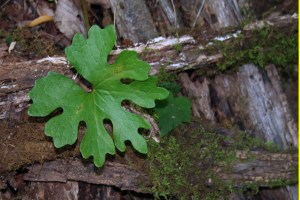
All photos © Thea Summer Deer

When does the appearance of a plant become a sign? When we are willing to stop and listen. Mine appeared as bloodroot precisely on the spring equinox. It was a sign that I had made it through winter. And I did not want the unpredictable and erratic spring season to catch me off guard. After a strangely mild winter and an immune challenging early spring, bloodroot reminded me that it was time to support my liver and gallbladder, the corresponding organ system to spring, and the Wood Element in Chinese Medicine.

I have previously experienced descending into illness at the time of spring equinox. In Chinese Medicine, the equinox is a pause between seasons, the standstill point at the swing-of-the-pendulum when our immune system re-calibrates to the changing light. It is a time to slow down and reflect in accordance with the season.

One spring season, when I got caught off guard, I came down with a bout of bronchitis that took me down hard. It would like to have killed me, threatening pneumonia. That incident required that I recommit to living in harmony with the seasons and a re-bolstering of my immune system. Bloodroot, Sanguinaria canadensis, is a good ally for those who remained attuned. Arriving healthy at the turn of the season, like Persephone resurrected and returned to the light, we can see that our efforts to attune will pay off.

When spring equinox dawns bright and beautiful, I grab my jacket and head for the woods. I can’t think of a better way to celebrate the return than hiking the Blue Ridge through the Pisgah National Forest. Striking out with my son, who has joined me on this day, I make two stream crossings and climb the nearest ridge where views of the mountains were still visible through trees not yet leafed out. The abundant presence of bloodroot, delicate in her ephemeral bloom, was a joyous heralding of spring.

The festival celebrating vernal equinox called Ostara, as the story goes, is characterized by the rejoining of the Mother Goddess and her lover-consort-son, who has spent the winter months in death. With the urging of my son, we walked barefoot down the trail, connecting with the earth and recharging our DNA.

Bloodroot is one of the earliest blooming spring wildflowers and is native to eastern North America and Canada, hence its species name of canadensis. We found it where it likes to grow on wooded slopes above a stream. Deer will eat it in early spring, and anything that deer like to eat usually gets my attention. The flower blooms briefly. And as it fades, the irregularly lobed leaf unfurls and resembles a jigsaw puzzle piece. It is one of the most well-known indigenous medicinal plants in the Appalachians, and it has a long history of use as a respiratory aid.

The flower is beautiful, and its white contrast against the brown, dead, and decaying leaves of an earlier season is captivating. Its flower essence transforms inherited physical, emotional, mental, and spiritual genetic patterns into the light of new potential. Watching my son stepping barefoot into the creek surrounded by these lovely flowers, I said a prayer for the embodiment of our full potential in this lifetime. The energy medicine of bloodroot in the form of a flower essence helps to heal our family lineage and the ancient wounds that live in our DNA. How perfect that my son and I were walking barefoot through the ancestral healing of bloodroot!

Bloodroot is also very useful for treating bronchitis and is effective against chronic congestive conditions of the lungs. In combination with other expectorant and demulcent herbs such as mullein and plantain in a low dosage tincture, bloodroot helps to relieve bronchitis, coughs, lung congestion, and inflammation. It relaxes the bronchial muscles and helps ease difficult breathing. At the same time, it acts as a stimulating expectorant to clear lung congestion, reduces inflammation in the throat and chest, and relieves spasmodic coughs. Sanguinaria’s main herbal actions are expectorant, and antispasmodic. According to David Hoffman, it is one of the best respiratory amphoteric herbs. Amphoteric herbs are normalizers that change and adapt their herbal action depending on the condition.

When harvesting the root of Sanguinaria candadensis care must be taken to wear gloves. The juice from a cut root is caustic and may cause skin irritation. Fresh root poultice is used with caution to treat fungal growths and ringworm. It is also used topically as a salve to treat sores and ulcers. Bloodroot’s alkaloid sanguinarine reduces plaque and gum inflammation when used in dental hygiene products.

Spring is the perfect time to harvest the root when the plant is in full bloom while being mindful not to exhaust the plant population. Once cut, the blood-red root secretes a bright orange juice, hence the name bloodroot. Here in the Appalachians bloodroot is a popular natural red dye used by Native American artists, particularly among the southeastern rivercane basket weavers.

May the ally of bloodroot find its way to you in your time of need. Her flowering essence reminds us of new beginnings in all areas of our lives. As one season, one great cycle ends, another begins, and we are made new. Like Persephone, we will return to the light of knowing that we have everything we need in every given moment and are divinely guided. We are all indigenous to Mother Earth. It’s in our roots. And it’s the blood!  Bloodroot, and the flowering of new potential.

Flower Essence: From the bloodroot plant spirit:

This essence helps to heal the ancient wounds that still fester in the DNA of humans today. Assistance with healing family lineage is of critical importance now. Genetic codes are passed down from parents to children that hold both the memory and the forgetting of who we are. It is important to heal that which enlivens the forgetting and the resulting behaviors and illnesses, so the full potential of each person is free to blossom.

Diana, Tree Frog Farm

Preparation: Tincture made from the fresh root is preferred with the dried root being more suitable for making infused oils and salves. Salves will cause some degree of inflammation and may be an effective external treatment for cancerous growths.

• Fresh root tincture – 1:10 in 50%. Dosage: 10 drops of tincture diluted in water three to four times a day.  May also be used as a mouthwash to treat gum inflammation.

• Dried root tincture – 1:5 in 60%. Dosage: 10 – 15 drops diluted in water three times a day.

• Decoction: 1 teaspoon of rhizome in 1 cup of cold water, bring to a boil and infuse for 10 minutes. Drink 3 x a day.

Contraindicated during pregnancy. Low dose botanical – use sparingly and for short periods of time.

References:

Medicinal Plants of the Southern Appalachians by Patricia Kyritsi Howell

Medical Herbalism: The Science and Practice of Herbal Medicine by David Hoffman

Medicinal Plants and Herbs a Peterson Field Guide by Steven Foster and James A. Duke

Wild Roots by Doug Elliott

Wisdom of the Plant Devas: Herbal Medicine for a New Earth by Thea Summer Deer

Disclaimer: The information contained in this post is for educational purposes only. It is not intended to diagnose, treat, or prevent any disease. Some of this information has not been evaluated by the Food and Drug Administration. You should seek medical attention at the first signs of an infection and be under the care of and in communication with a licensed physician, even when you are using herbal alternatives. Be sure to disclose any herbs or supplements you may be taking.

This post contains IndieBound affiliate links which also support Independent Booksellers.

Astragalus for Myocarditis, Long COVID, & Immune Support

Astragalus Membranaceus

When I work with herbs, I feel like I’m on a secret mission, called by ancestral voices whispering plant names from somewhere across the veils of time and space. There is much to discover undercover with medicinal roots like Astragalus membranaceus, used since ancient times in Traditional Chinese Medicine (TCM).

Formerly introduced to Astragalus in herbal medicine school, I began buying the diagonally sliced dried root in bulk to add to nutritious bone broth soup stocks. But it has taken years of working with this herb in clinical practice to begin to grasp its full healing potential.

One client in particular obtained remarkable results from taking an Astragalus formula. She presented with diarrhea that had persisted for three months. And as is usually the case, she came to me after repeated testing and doctor visits. She had been tested for parasites, had extensive blood work, and undergone a colonoscopy. Less than 48 hours on an Astragalus formula, her diarrhea stopped for good. The cause of her debilitating condition turned out to be a round of topical corticosteroids prescribed by her doctor for an autoimmune disease (lichen sclerosis). This client had a history of exhausted adrenals since childhood. She should never have prescribed a corticosteroid with a known side effect of Cushing Syndrome (cortisol stress hormone imbalance) with diarrhea as a symptom. Astragalus stimulates pituitary-adrenal cortical activity and has been combined with drug therapies to reduce toxicity and ameliorate side effects.

After that experience, I began further research on Astragalus. Its herbal actions include immunomodulator, anti-inflammatory, antibacterial, antioxidant, cardioprotective, hepatoprotective, and adaptogenic. Astragalus is a nervous system tonic, immune tonic, and spleen qi tonic (diabetes). Tonics are herbs, that when taken consistently over time, may restore whole bodily systems. Astragalus is also used to relieve diarrhea, and weakness and fatigue, from prolonged illness. The benefits list is long and includes helping regulate blood sugar, improving stroke recovery, slowing or preventing the growth of tumors. Regular use of the root, it has been shown, can prevent kidney and liver damage caused by medication and viruses.

Considered a foundational herb in TCM, Astragalus, in addition to being a deep immune system activator, also strengthens the lung qi and the surface immune system, which is the first line of defense against pernicious influences. It also appears to enhance nonspecific and specific immunity. Astragalus is a beneficial herb for anyone who might be immune-compromised.

While many call Astragalus an immune system booster or immune stimulant, it more accurately enhances and supports immune system function, helping to prevent colds, flu, bronchitis, pneumonia, and the viral infection Coxsackie B, which is a significant cause of myocarditis.

Myocarditis is an inflammation of the heart muscle (myocardium), which is the middle layer of the heart wall. That inflammation can reduce the heart’s ability to pump and cause rapid or irregular heart rhythms (arrhythmias). According to the Mayo Clinic, an underlying inflammatory or autoimmune condition can raise your risk of myocarditis. Myocarditis is a concern with COVID-19 vaccination and in long-haul COVID. The risk of myocarditis exists from both the disease and the vaccine. There have also been case reports of myocarditis linked to flu and tetanus shots.

The COVID-19 vaccine can cause inflammation of the heart muscle (myocarditis) and inflammation of the outer heart lining (pericarditis). – Mayo Clinic

Teens and young adults are most at risk. VAERS statistics for cardiac events are high. Understaffed, overwhelmed, and backlogged, the FDA has not analyzed all the data on reports of myocarditis by their projected date of January 2022 before approving the shot for children. There is no incentive by pharmaceutical companies to ensure the safety of vaccine recipients because they assume no liability.

In June 2021, the Center for Disease Control and Prevention’s Advisory Committee on Immunization practices reported a likely link between mRNA COVID-19 vaccinations and myocarditis, particularly in people 39 and younger. A CDC spokesperson told Reuters, “It is true that since 1990 most of the myocarditis and pericarditis reports to VAERS were made after the U.S. COVID-19 vaccination program began.” Myocarditis is a condition that can weaken the heart and affect its electrical system.

TCM understands myocarditis as a disruption of the Fire Element (Heart). Vaccines disrupt the yin Water Element (Kidney/Adrenal) and insult the Kidney jing (ancestral inheritance). A depleted Water Element no longer tempers fire. Fire burns out of control and creates a vicious cycle of depletion. That is where we see the root of myocarditis. Astragalus, however, increases Water’s reserves and supports the immune system to do its job.

Used in China for at least 2,000 years, Astragalus is one of the fifty fundamental herbs used in TCM and listed as an official drug (Radix Astragali) in the modern Pharmacopoeia of the People’s Republic of China. It has become one of the primary immune tonic herbs in Western Pharmacopoeia.

Energetically sweet, warm, and nourishing, the dried root is used in soup stocks to strengthen the entire system. Astragalus tonifies the kidneys and adrenals and regulates the body’s immune system responses.

One article published in PubMed.gov says, “ It should be studied as a new drug for the treatment of sepsis.” Septic pneumonia following a cytokine storm is seen in patients presenting at the hospital with severe flu and COVID. Cytokine storms are related to infections as they progress towards sepsis. When the body loses control of cytokine production, the result is a cytokine storm.

Some cytokines make the disease worse (pro-inflammatory) and need inhibiting. Others serve to reduce inflammation and promote healing (anti-inflammatory). The intelligence of Astragalus does both, as does a normal response of a healthy immune system. Studies suggest that A. membranaceus may control pro-inflammatory cytokine expression, thus inhibiting the likelihood of a cytokine storm. Cytokines and viruses have a dynamic relationship. Pro-inflammatory cytokines on a mission to control and eradicate viruses present a threat to the virus and the host.

A cytokine storm from an excessive or uncontrolled release of pro-inflammatory cytokines results from a weakened immune system that under performs during extreme distress. Astragalus can benefit many long-haul COVID symptoms like fatigue, shortness of breath, difficulty sleeping, brain fog, heart palpitations, anxiety, and depression.

I couldn’t possibly cover all of Astragalus’ benefits. But some of its most common uses include strengthening the lungs, diabetic blood sugar control (Spleen-Pancreas), and protecting against colds and other contagious illnesses. Contraindicated during active infection with a fever, Astragalus is currently being used, however, in many Chinese formulas for active viral infection.

The most common species accepted interchangeably throughout various regions in China are as follows, A. membranaceus, A. propinquus, or A. mongholicus. These medicinal varieties are native to northern and eastern China. The part used is the root, harvested typically from four-year-old plants. Before completely dry, they can be sliced diagonally or lengthwise in the shape of a tongue depressor, which works well for stocks and decoctions, or shred cut for tea, decoction, or tincture.

One of the most important herbs used in traditional Chinese medicine preventively and in the early stages of colds and flu is beneficial and safe. Astragalus nourishes the immune system, helps protect the body from diseases like cancer and diabetes, and prevents upper respiratory infections. It may also have mild antiviral action and help to prevent colds and coronavirus. Immune system cells called macrophages increase after a simple Astragalus decoction.

DOSAGE

Tincture: (1:5 in 40%): 40-80 drops (4-8 ml), 3x/day

Extract: 250-500 mg, or (1:2) 8-12 ml 3x/day

Decoction: Add 2 – 4 tsp. dried cut/sifted root to 8 oz. water. Slowly decoct for 20-30 minutes. Let steep another ½ hour. Take up to 3 cups/day.

Tea: Boil 3-6 grams dried root in 12 oz. water. Drink 4 oz. 3x/day

Capsules: 3-6/day per manufacturer’s or practitioners instructions

Soup Stocks: 1 large slice per quart

Note: The root is also sometimes stir-fried in honey to enhance both its sweetness and tonic properties for debilitated clients

CONTRAINDICATIONS

Astragalus may interfere with drugs that are meant to suppress the immune system. Contraindicated during active infection with a fever.

DISCLAIMER

The information contained in this post is for educational purposes only. It is not intended to diagnose, treat, or prevent any disease. Some of this information has not been evaluated by the Food and Drug Administration. You should seek medical attention at the first signs of an infection and be under the care of and in communication with a licensed physician, even when you are using herbal alternatives. Be sure to disclose any herbs or supplements you may be taking.

RESOURCES

10 Herbs to Help you Fight the Flu & Coronavirus

Chinese Chicken Herbal Soup for Optimal Health

• Learn more at Five Element Academy in Hidden Treasure: Kidney Essence & the Water Element, and Heal Your Heart: Nervous System Health & the Fire Element

Plum Dragon Herbs, Huang Qi/Astragalus Root available in bulk.

Note: I review products independently and only recommend ones that I have used personally. As a Plum Dragon affiliate I may earn a commission from qualifying purchases.

You may also support my work by joining my Substack community and subscribing to Thea Summer Deer’s Blog, Herbal Medicine for a New Earth: Visioning a new paradigm of alternative health care.

REFERENCES

• Winston, D., & Maimes, S. (2007). Adaptogens: Herbs for strength, stamina, and stress relief. Rochester, VT: Healing Arts Press.

• Hoffman, D. (2003). Medical Herbalism: The Science and Practice of Herbal Medicine. Rochester, VT: Healing Arts Press.

Myocarditis, Mayo Clinic: https://www.mayoclinic.org/diseases-conditions/myocarditis/symptoms-causes/syc-20352539

Acute Fulminant Myocarditis Following Influenza Vaccination Requiring Extracorporeal Membrane Oxygenation, by Youn-Jung Kim, Jun-11 Bae, Seung Mok Ryoo, and Won Young Kim, published online Nov. 7th 2018, NIH.gov

Moderna Reveals Slightly Higher Rates of Myocarditis in Young People Who Received its COVIC-19 Vaccine, by Korin Miller, published November 11, 2021 in Yahoo!news Prevention.

Sepsis – a common cause of death from coronavirus, Deutsche Well

Astragaloside IV attenuates inflammatory reaction via activating immune function of regulatory T-cells inhibited by HMGB1 in mice, PubMed.gov

Safe Antiviral Herbs for Autoimmune Disease, posted by Herbal Academy

Huang Qi Tong Bi Decoction Attenuates Myocardial Ischemia-Referfusion Injury via HMGB1/TLR/NF-kB Pathway, PubMed.gov

Viral Myocarditis, NIH.gov

Post-COVID Pneumonia Recovery: A Dietary, Herbal, Supplemental & Lifestyle Protocol

“What protocol did you use for your husband that helped his post-COVID pneumonia recovery?” I have been asked this question a lot and wish to share with you what I have learned.

Everyone is unique in how their immune system responds to an illness. Therefore, without knowing a person’s history, or herstory, I cannot make specific recommendations other than what I have shared in this post. But I can share what my experience has been working within my own family.

One of the things that I learned is that COVID pneumonia is eosinophilic pneumonia. It responds very well to corticosteroids. They admitted my husband to the hospital with septic pneumonia after having never had any lung issues or even bronchitis.  After six days in ICU on high flow oxygen and a BiPap ventilator, he had a bronchoscopy performed. They had been unable to wean him off the oxygen, and it was frightening. I knew that the high percentage of oxygen he was on for so many days could cause lung damage, and he does indeed have scarring of the lungs as a result.

The bronchoscopy results showed eosinophils, and they started IV steroids (prednisone) which turned him around immediately. He spent eight days in ICU and ten days in the hospital.

When he came home the goal was to get him off the steroids as quickly as possible because their damaging effects on the adrenal cortex are well known. It took longer than we thought, about six months. He also needed to build back his strength from having lost a lot of weight and muscle mass. It is a difficult thing to witness.

The strategy that worked for him is as follows:

Dietary:

• Bone broths are nourishing and provide protein and collagen for rebuilding tissue. Collagen is also healing to the gut and supportive to the joints. In Chinese Medicine the connection between the stomach (Earth Element) and lungs (Metal Element) is well known. I made organic beef and chicken bone broths from scratch, adding carrots, celery, onion, russet potatoes, bay leaves, and juniper berries. I also added the following Chinese herbs:

  1. Polygonatum (Solomon’s Seal/Yu Zhu) moistening to the lungs and helps with dry cough. Click here to learn more.
  2. Chinese yam (Shan Yao) strengthens the spleen and stomach, nourishes the kidneys, treats body fatigue.
  3. Astragalus root (Huang Qi) strengthens the immune system.
  4. Jujube/Date (Da Zao) spleen and stomach tonic, also helps to moderate the actions of other herbs in a formula

• Unsweetened apple sauce and easily digestible food

• No sugar, gluten, dairy, alcohol or caffeine

Supplemental:

• Vit. C, 1000 mg. 3x/day

• Stress B Complex

• Quercetin with Bromelain

• Vit. D, 2,000 iu, 3x/day

• Vit. A, 10,000 iu, 1x/day

• Vit. E, 400 iu, 3x/day

• Selenium, 200 mcg, 1xday

• Zinc, 50 mg, 2x/day

• Potassium 99 mg/day

• Curcumin, approx. 1,000 mg/day

• Omega 3’s as directed

• Probiotics as directed

• Magnesium (glycinate) 400 mg/day

• Calcium (Oyster Shell) 6oo mg 2x/day

Herbal:

• Hawthorne Supreme (Gaia Herbs) (for heart health)

• Cordyceps (sinensis – only!) 2 Tbsp. dissolved in water, 4x/day. Cordyceps sinensis became the most important thing he took to help wean himself off the steroids, heal his adrenals, and regain energy levels.

• Herbal Decoction to help calm cough and reduce congestion, which continued for many months: In one quart of water, place 1-2 pieces of licorice root, 5-6 cloves, 1-2 petals of star anise, 5 pieces of ginger (wide slices), and 1 cinnamon stick. Bring to a boil, reduce heat and simmer partially covered for 20-30 minutes. Strain and drink 1-2 cups daily or as needed. Also warming to the gut (carminative).

• Aloe Vera, Inner Filet, 2 oz 1-2x/day (alkalizing and moistening to the gut)

Lifestyle:

• No stress

• lots of sleep

• walking every day

• laughter and friendship

My husband is incredibly compliant and remained diligent with his routine. We had to get food stamps for a few months to see us through, and the stimulus checks helped while he wasn’t working. After going back to work five months later, lingering congestion, a deep cough, and constant throat clearing dogged him. I feared pulmonary fibrosis. He was diagnosed with GERD and prescribed a PPI. We knew we weren’t going to go that route. I suspected candida overgrowth from days of IV antibiotics in the hospital. Our chiropractor confirmed candida. A series of candida cleanses ensued without the results he had gotten from them in the past. Two rounds of CandAid (see resources below) set him straight. He still has to be diligent with wheat, gluten, and dairy.

I will be eternally grateful that he survived his ordeal. I couldn’t have done it without the support of family and friends. A big shout out to my dear friend Nissa who shared the correct cordyceps dosage (far more than one might have employed otherwise), which she learned from her herbalist and Stephen Harrod Buhner’s partner. That is the magic of healing and herbalism – wisdom shared among the many. And dosage is important!

My husband now walks over five miles each day and is as fit as I have ever known him. And we have grown closer. It is the kind of closeness that comes when you think you could lose someone you hold so dear. We were sent angels and now I send them to you…

Resources:

Learn more about the Wisdom of the Five Elements at Five Element Academy

Acute Eosinophilic Pneumonia, Merk Manual

CandAid Candida support

Chinese Soup Herbs, Plum Dragon

Cordyceps Powder

1st Chinese Herbs

Note: If you have further questions about dosages, brands, etc. please consider booking a consultation. Everyone has individual needs.

Skullcap: The Integrator of Consciousness

Scutellaria lateriflora

Skullcap, or Scullcap, tomato or tomatoe? Isn’t it interesting that this member of the mint family, which contains approximately 300 species, can be found spelled either way with a “c” or a “k?” Even the herb companies have taken sides. For example, Herb Pharm spells their product Skullcap, while Nature’s Way spells it Scullcap. Somewhat confusing, I know, when you also consider that spell check doesn’t like skullcap spelled with a c, i.e., “not found in dictionary.” No matter how you choose to spell skullcap, the plant I will be discussing as the integrator of consciousness is the botanical Scutellaria lateriflora.

The name skullcap derives from the Latin scutella meaning, a small dish and referring to the shape of the flower. Even though Chinese skullcap (Scutellaria baicalensis root) shows up in many formulas, I tend to use American skullcap (Scutellaria lateriflora) as a “simple.” What that means is that I like to use one herb at a time, when appropriate, because then I don’t have to wonder which herb is working or which one is not.  With simples, if a person is worried about interactions between the pharmaceuticals they take and herbals, it makes the interactions simple to observe and simpler to avoid. Besides, you can only put so many herbs in your body at one time (like food). Adding too many together at the same time may dilute the potency and create a confusing smorgasbord for your body. I also believe that healing takes place in the context of relationships, and using one herb at a time allows for a deeper intimacy with that plant and helps build trust.

Harvesting Skullcap

Because I live in the Appalachian Mountains of Western North Carolina, I am particularly interested in the plants that grow here. Skullcap is one of these and a North American native highly valued by the Cherokee people who use it as a nerve tonic and sedative. It likes to grow along the sunny edges of damp meadows near small bodies of water. As a perennial, it thrives in the moist eastern woodlands. Small pale blue or violet-blue flowers are not long-lived and bloom in the summer between June and September. These flowers are in one-sided racemes from leaf axils, which makes skullcap easier to identify. Tincture the aerial parts when fresh and in full bloom.

According to medical herbalist David Hoffman, skullcap is perhaps the most relevant nervine available to us in the Western materia medica.  It soothes nervous tension while strengthening the central nervous system and has a long history of use for petit mal seizures, sleepwalking, night terrors, and insomnia. It also relieves nervous irritability, tension headaches, and PMS tension. Skullcap lessens the symptoms of drug and alcohol withdrawal. Herbalist Patricia Kyritsi Howell says that skullcap is a specific remedy for mental fatigue and nervous exhaustion caused by over-stimulation and the effects of long-term stress.

My encounters with skullcap have been most rewarding. Gathering it in and of itself is a blissful occupation. I have made and used fresh skullcap tinctures for both myself (nervous exhaustion) and with clients. One skullcap success story resulted when a mother brought her 9-year-old son to me for a consultation regarding his bedwetting. Let us call him Jimmy. Jimmy had been sleepwalking, bedwetting, and having night terrors for as long as his parents could remember. They had recently adopted a sister for Jimmy from China. Consumed with caring for this new family member who had special needs, they no longer wanted to be up in the middle of the night with Jimmy. Besides, they were genuinely frightened and concerned for his safety and wellbeing when they would find him walking around in the middle of the night completely asleep. Jimmy did not know what was happening and woke in the morning with no recall. He was also diagnosed in school with ADD. I recommended skullcap tincture in the morning and evening, along with some dietary changes (no wheat and dairy) with a one-month follow-up. At one month, I tried contacting the mother, but she never got back to me. A few months later, I ran into them at a social gathering and asked how Jimmy was doing.

“Oh, great!” She said and went on to tell me about all the exciting things they had been doing.

“Great!” I said, “ but what about the night terrors, sleepwalking, and bedwetting?”

“Oh!” She answered back, mildly surprised. “That is completely gone, and he’s had no problems with that since. I can’t thank you enough!”

What I realized was that she had simply gotten on with her life and not looked back. Then she told me that they had been unable to make any dietary changes but that Jimmy had started to improve almost immediately with the skullcap. I stood looking at her, amazed.

On another occasion, a friend of mine’s daughter called me and sounded frantic. Her  9-month old baby girl wasn’t sleeping and woke to cry hysterically every night and had a hard time getting back to sleep. That had been going on for three months. The mom felt like she had tried everything, including more food to settle the baby’s stomach if she might be hungry and different food. She tried chamomile tea, homeopathic remedies, ruled out teething, and had the baby checked by a pediatrician. Do you want to know what worked? Skullcap. She gave her daughter five drops of alcohol tincture up to 3 X a day. The beauty of skullcap is that it is a tonic that can be used long-term and is not addicting.

TCM 5 Element Theory

From the perspective of Traditional Chinese Medicine’s five-element theory, I learned that skullcap is a cooling, bitter herb, which calms the mind and restores the shen to the heart (Fire Element). In TCM, the mind refers to the heart. In this context, the shen corresponds to the mind and consciousness, with the process of thinking accomplished by the heart. One of the hearts main duties is to store the shen, which describes spirit or the animating force of life. The word shen translated from the Chinese means both “mind” and “spirit.” As the integrator of consciousness and perception, the shen unites the disparate aspects of the self. When the shen is restless for any reason, as we have seen in the examples above, skullcap has the amazing ability to restore the shen. We may call this restlessness “nervous anxiety” or “nervous tension,” but the nervous system is what carries the electrical impulses generated by the brain and heart. Heart-Mind in TCM corresponds with the Fire Element and the Summer season. The benefits of Skullcap to reduce nervousness and treat insomnia by quieting the spirit or shen and helping it to stay centered in the heart cannot be over-estimated. Summer is the perfect time to be introduced to skullcap in her season of bloom So I invite you to bring her into your life in whatever manner you may choose and get to know her, for her gift is great. 

When the heart is serene, pain seems negligible.

– Inner Classic

Fresh Tincture Dosage: 30 drops (1 dropper full) 1:2 (75A:25W) 2-3 x a day

Can also be tinctured fresh using Vodka in the folk tradition.

References:

Making Plant Medicine, Richo Cech, Horizon Herbs

Medical Herbalism: The Science and Practice of Herbal Medicine, David Hoffmann, Healing Arts Press

Medicinal Plants of the Southern Appalachians, Patricia Kyritsi Howell, Botanologos Books

The Cherokee Herbal: Native Plant Medicine from the Four Directions, J.T. Garrett, Bear & Co

Learn more strategies for harmonizing the Fire Element in Thea’s work-at-your-own pace online class Heal Your Heart: Nervous System Health & the Fire Element at Five Element Academy.

I’ll Keep My Gallbladder, Thank You!

Why Your Gallbladder is Necessary and How to Keep It Healthy

Supporting the Gallbladder. Learn more in Love Your Liver: Spring & the Wood Element

When a friend of the family recently announced her upcoming gallbladder surgery after discovering a gall stone following a gallbladder attack, I had to ask, why? It was her first gall bladder attack, and yes, they are excruciatingly painful, but to agree so quickly to surgery was deeply concerning. It wasn’t the first time that a friend or family member had rushed to have their gallbladder removed, and not all were without repercussion. In answering the above question, I feel pretty confident that it comes down to education and support. This is why after studying and teaching about this condition for over forty years I felt compelled to share the following information. Shouldn’t we be asking why there is an epidemic of gallbladder surgery and how can we take better care of this organ? It is my hope that the information contained in this article may empower you to take another look at why your gallbladder is necessary.

Unfortunately, it is not very likely that you will be encouraged to forgo gallbladder surgery by a doctor, nurse or surgeon, or that they will tell you that keeping your gallbladder is a realistic option. There are a few reasons for this and one is that the Western mechanistic model of allopathic medicine uses drugs and surgery as its main tools, and if all you have is a hammer, everything looks like a nail. In other words, all of the reference points are within the model and alternatives are rarely considered, let alone known, used or understood. If you want to learn about alternatives you will need to seek an alternative practitioner like an acupuncturist, herbalist, naturopath, or chiropractor. Medical practitioners who are serious about Integrative and Complementary medicine are also seeking out alternative practitioners in order to learn what is not being taught in medical school.

Another reason you will most likely hear from your doctor or surgeon for having a cholecystectomy is that 1 in 5 newly diagnosed patients with acute cholecystitis who do not have surgery readmit to the emergency room within about 12 weeks. Also, people who have a medical procedure to eliminate gallstones have them return 50% of the time and 80% of those return to have their gallbladder removed. Those are not bad odds considering most of those people are probably not making dietary or lifestyle changes, but it is still being used as an argument as to why you should just go ahead and get the surgery.

In my experience, the main reason most people choose to have their gallbladder removed, in addition to lack of reliable alternative information, is because most people aren’t willing to make the necessary dietary and lifestyle changes that would keep them gallstone free, or to follow a protocol that could help to eliminate existing gallstones. It takes time to empower ourselves with information that could help us understand what may have caused the problem in the first place and most people don’t know the right questions to ask when seeking alternatives. We also live in an instant gratification society and when it comes to physical pain, most people will take the easiest and quickest route to avoid and prevent it. This makes us vulnerable to the drug and surgery pushers who capitalize on fear and cause us to make hasty decisions that may not be in our best interest long term.

I think it’s important to note here that I am not a medical doctor and that surgery and drugs can be lifesaving. So please make your informed decisions in partnership with your health care provider. I recommend that you continue to be monitored as gallbladder disease can be serious and life threatening. The information presented here is for educational purposes only so that you can make an informed decision. I am an herbal practitioner in the Energetic Model aligned with the Wise Woman and Western European Herbal Traditions, and drawing from the wisdom of Chinese Medicine and Five Element Theory.

In Chinese Medicine, Five Element Theory is the study of relationships and organ systems are paired within each of the five elements. The gallbladder is a yang organ (hollow), paired with the liver, a yin organ (solid), and corresponds with the Wood Element. Yin balances yang and when the gallbladder is removed it sets up an imbalance in the paired organ system that causes other systems to weaken and collapse. You can live without your gallbladder, but should you? I would suggest you read the literature for yourself, especially testimonials from people who suffered long term complications and quality of life issues after gallbladder removal.

Cholecystitis, or biliary colic, is the most common type of gallbladder disease as either an acute or chronic inflammation often due to gallstones blocking the duct and causing bile to build up. Bile is made in the liver and stored in the gallbladder until the body needs to digest fats. If the liquid bile contains too much cholesterol, bile salts, or bilirubin, and the gallbladder doesn’t empty completely or often enough, it can harden into pieces of stone-like material forming gallstones. Two types of gallstones are cholesterol and pigment. For the purposes of this article I will be discussing cholesterol as they account for 80% of stones.

Gallbladder disease is more common in females, especially post-partum when estrogen levels are high. Gallstone related disease is a leading non-obstetrical cause of hospitalization in the first year postpartum. This is why I began researching this dis-ease over forty years ago as a practicing midwife. Most hormonal imbalances postpartum develop due to estrogen dominance. Birth control pills also increase risk and effect the ability of the gallbladder to contract and excrete bile.

Dietary factors are important considerations and one that you won’t see commonly discussed is vegetarian diets, which are implicated in gallbladder disease. In fact, you are likely to read that vegetarian diets can prevent gallbladder disease because it reduces the amount of cholesterol in bile and increases fiber in the diet. The fiber part is accurate, but the reason vegetarian diets are implicated is that very little bile is produced since the liver is not stimulated to produce it. This results in large fat molecules not being properly emulsified, making it difficult for lipase to bind, leading to incomplete or reduced fat absorption. Lipase is necessary for fat-soluble vitamin absorption (Vitamins K, D, E & A).

A shortage of the enzyme lipase may lead to high cholesterol. A deficiency of lipase, taurine, or lecithin can lead to a lack of bile and the formation of gallstones from cholesterol. Raw butter and cream is the highest source of lipase, with the highest source of lipase and lecithin being fertile eggs. Another cause of fat and mineral malabsorption, and inflammation, is gluten sensitivity.

One of the most important dietary considerations also happens to be the most deficient in the modern diet. It is the inclusion of the bitter flavor. When the time comes for the body to digest fats, the gallbladder contracts and pushes bile into the common bile duct that carries it to the small intestine where it aids in digestion. The bitter flavor is responsible for toning the gallbladder so that its action of contracting and pushing the bile into the bile duct is maintained. Our ancestors knew the importance of bitter, which also stimulates the production of saliva when introduced into the mouth and they included herbal bitters as part of their health regimen.

So, what are the risks of having or not having gallbladder surgery? While there is some chance of developing an infection necessitating emergency removal (5%), with a little support your body is capable of passing gallstones on its own. That said, cholecystectomy is the most common surgical procedure performed in the United States according to the Journal of the Society of Laparoendoscopic Surgeons with 1.2 million done annually and largely covered by Medicaid. In fact, cholecystectomy was the most common operating room procedure for Medicaid and uninsured stays while ranking 8th most common operating room procedure among patients with private insurance. The increase in surgeries can largely be attributed to the advent of laparoscopic surgery and the laparoscopic cholecystectomies in the early 1990s.

Bile duct injury continues to be a significant complication and is the leading cause of litigation against general surgeons. While the advent of laparoscopic procedure has substantial benefits (outpatient, quicker recovery, less pain) these did not come without risk, most notably a doubling of the rate of major biliary tract injury. Injury to the bile duct often results in additional surgical procedures, increasing the risk of morbidity and mortality.

Cholecystectomy also increases the risk of bowel cancer because without your gallbladder, bile drips continuously into the digestive system and can also cause diarrhea and may lead to higher cholesterol levels. It can leave you sticking close to the bathroom and no longer tolerating certain foods.

So when a friend of the family recently announced her upcoming gallbladder surgery, I had to ask, Why not try a simple alternative before undergoing surgery? And why not implement some simple changes that might leave you never having another gallbladder attack again?

Some people claim that a gallbladder cleanse or flush can help break up stones and empty the gallbladder, but that is not recommended here. It is good to remember that the body is naturally able to cleanse and flush itself when supported properly and that is the approach and philosophy of the Energetic Model and Wise Woman Tradition.

Our goal is to increase the amount of bile created by the liver and secondly to assist the easy passage of that bile through the liver and gallbladder. Certain herbs can bring about an increased production and flow of bile, including bitters. This may be enough to help break down existing stones and carry that debris through the duct. Recommendations below are generalized suggestions, do not include dosages and are not meant to be a complete protocol. To learn more about the liver and gallbladder, or when and how to do a flush, Please consider enrolling in Love Your Liver: Spring & the Wood Element at Five Element Academy.

Dietary & Lifestyle Recommendations:

• Increase your exercise to 2-3 hours a week to reduce risk

• Increase fresh fruit and vegetables

• Include bitter greens like romaine lettuce and dandelion

• Increase water and soluble fiber intake

• Eliminate gluten and potential food allergens, and foods high in sugar and carbohydrates. The more refined and processed food the higher incidence of gallstones. Go for high fiber, low sugar.

• Include parsnip, apple (particularly Granny Smith) radish, pear, seaweed, lemon, lime, raw butter, cream, milk, egg, avocado, parsley, barley, beets, and cucumber in the diet.

• Apple cider vinegar daily

• Use olive, coconut and flax seed oils.

• Raw, fresh pressed apple juice may soften gallstones and can help them pass.

• Acupuncture may be effective in relieving pain and spasm, reducing inflammation and volume of the gallbladder and restoring proper function. In combination with Chinese herbs, Acupuncture may be highly effective.

• Lose weight slowly if necessary. Obesity increases your risk for developing gallstones.

• Eat slowly and mindfully

• Avoid large meals

Supplemental Recommendations:

• Vitamin C can help change cholesterol to bile

• Potassium Iodide, Iodine and Seafood high in iodine (helps dissolve cholesterol)

• Fish oils and Omega 3s

• Disodium Phosphate – supports liver and gallbladder functions (Standard Process brand)

• HCL acid and pepsin

Herbal Recommendations:

• Bitter roots like Dandelion, Burdock, Yellow Root, Yellow Dock

• Take herbal bitters daily before meals

• Drink mildly bitter teas like Chamomile

• Turmeric reduces inflammation

• Anti-lithic herbs, also known as “stone breakers” can help dissolve stones taken in tinctures or teas: corn silk, gravel root, stone root, parsley root, and enteric-coated peppermint oil.

• Spasmolytic, Chanca Piedra for relaxing smooth muscle and expelling stones

• Castor oil packs can relieve pain and can support the passing of stones.

The use of castor oil packs in aiding gallstone passing cannot be over emphasized. This and the use of bitters and herbal infusions were well known by our ancestors. It is this Wise Woman Tradition that has brought us this far and we would do well to not lose sight of it. Let your care provider know, “I’ll keep my gallbladder, thank you!” And then ask for their support and guidance to make the wisest and most informed choice.

Disclaimer: Talk with your doctor before trying to treat gallstones on your own. If you have yellowing of the eyes, fever or chills, and intense abdominal pain, seek medical care immediately.

Resources:

Love Your Liver: Spring & the Wood Element at Five Element Academy

Gallbladder Disease, for more information on the different types of gallbladder disease. https://www.healthline.com/health/gallbladder-disease

Cholecystectomy: Surgical Removal of the Gallbladder, American College of Surgeons https://www.facs.org/~/media/files/education/patient%20ed/cholesys.ashx

References:

Gallbladder, Cholecystectomy, Open, Mark W. Jones; Jeffrey G. Deppen. https://www.ncbi.nlm.nih.gov/books/NBK448176/

Characteristics of Medicaid and Uninsured Hospitalizations, October 2012, Lorena Lopez-Gonzalez, Ph.D., Gary T. Pickends, Ph.D., Raynard Washington, Ph.D., and Audrey J. Weiss, Ph.D.

https://www.hcup-us.ahrq.gov/reports/statbriefs/sb182-Medicaid-Uninsured-Hospitalizations-2012.jsp

Laparoscopic Cholecystectomy and Newer Techniques of Gallbladder Removal, Jeffrey B. Comitalo, MD. JSLS 2012 Jul-Sept; 16(3): 406-412.

https://www.ncbi.nlm.nih.gov/pmc/articles/PMC3535814/

Trauma Acute Care Surgery, Mestral C, Rotstein O, Laupacis A, et al. A population-based analysis of the clinical course of 10,304 patients with acute cholecystitis, discharged without cholecystectomy. 2012;74(1):26-30.